

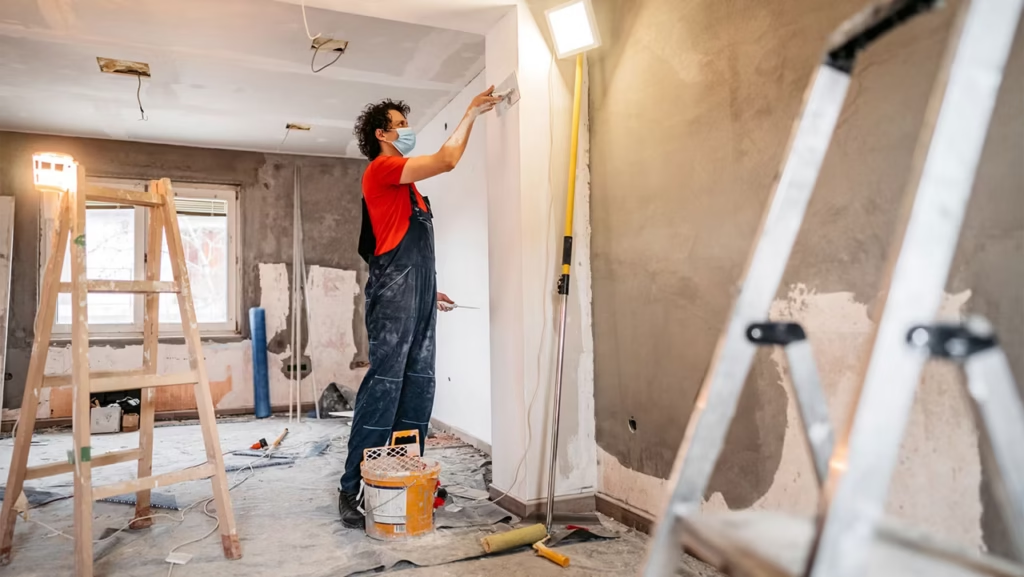
Buying a home that’s 50 years old can be both exciting and intimidating. In the United States, that means the house was likely built in the 1970s, a decade when split-levels, ranch-style houses, and suburban developments were booming.
According to U.S. Census data, about 38% of American homes were built before 1970, and more than half were built before 1980. That means millions of houses across the country share the same age — and the same challenges.
Common issues in homes from this era include:
- Electrical systems: Many 1970s homes still have outdated breaker panels, aluminum wiring, or limited capacity not designed for today’s appliances.
- Plumbing: Galvanized pipes were common and tend to corrode, leading to leaks and low water pressure.
- Energy efficiency: Poor insulation, single-pane windows, and drafty doors were standard.
- Hazardous materials: Lead-based paint (banned in 1978) and asbestos insulation or floor tiles may still be present.
- Design limitations: Small kitchens, closed-off floor plans, and limited storage are typical of the time.
Many of these houses still have their original wiring, plumbing, or design quirks. By understanding what’s typical for a 50-year-old house, new homeowners can better plan their renovations — focusing on safety and efficiency first, then moving to modern upgrades.
Content
- Step 1: Safety First – Inspections You Cannot Skip
- Step 2: Prioritize Structural Repairs
- Step 3: Update Essential Systems
- Step 4: Plan for Layout and Modern Living
- Step 5: Cosmetic Upgrades That Transform
- Step 6: Budgeting and Timeline Tips
Step 1: Safety First – Inspections You Cannot Skip
Before you think about paint colors or new flooring, focus on the hidden parts of the house. A 50-year-old home may look fine on the surface, but age often brings hidden risks. Start with a professional inspection that covers:
- Electrical systems: Older panels may not handle modern power loads, and some houses from the 1970s still have aluminum wiring, which is a fire hazard.
- Plumbing: Galvanized pipes can corrode and restrict water flow, while older drain lines may be near the end of their lifespan.
- Roof and foundation: Cracks, leaks, or shifting can signal expensive repairs ahead.
- Hazardous materials: Homes built before 1978 may have lead-based paint, and asbestos can be found in insulation, floor tiles, or popcorn ceilings.
- Moisture and mold: Poor ventilation or outdated materials make older houses more prone to hidden mold.
Catching these problems early prevents dangerous situations and avoids the frustration of undoing finished work later. Think of this step as creating a safe starting point for every other renovation decision.
Step 2: Prioritize Structural Repairs
Once safety concerns are identified, the next focus is the structure of the home. A house that is 50 years old may have wear that is not immediately obvious but will affect every future project if ignored.
Key areas to check include:
- Roof: Look for missing shingles, leaks, or sagging areas. Inspect the attic after a heavy rain to spot any water intrusion early. A roof that fails will damage everything below it.
- Foundation: Cracks, settling, or water intrusion in the basement can point to serious issues. Walk around the foundation after rain to check for pooling water or dampness inside.
- Load-bearing walls and framing: If you plan to open up the layout, a structural engineer should confirm which walls can safely come down.
- Windows and doors: Older frames may not close tightly, causing drafts and energy loss.
By repairing the “bones” of the house first, you create a solid foundation for the rest of your renovation. Ignoring these repairs can mean wasting time and money on updates that will only get damaged by unresolved structural problems.
Step 3: Update Essential Systems
With safety checks and structural repairs handled, the next step is to modernize the essential systems that keep the house running. In a 50-year-old home, these systems are often outdated, inefficient, or nearing the end of their lifespan. Upgrading them now prevents emergencies later and ensures your renovation meets current codes.
Key areas to update include:
- Electrical: Homes from the 1970s often have undersized panels that cannot handle today’s appliances, lighting, and electronics. Replace old breaker boxes and consider adding dedicated circuits for kitchens, bathrooms, and home offices.
- Plumbing: Galvanized steel pipes were common and tend to corrode from the inside. Replacing them with copper or PEX ensures better water flow and fewer leaks. Check water heaters as well, since many older units are inefficient and costly to run.
- Heating and cooling: Outdated HVAC systems waste energy and may not heat or cool effectively. Consider upgrading to modern high-efficiency furnaces, air conditioners, or even heat pumps.
- Insulation and ventilation: Many 50-year-old homes have little or no insulation in attics or walls. Adding insulation and improving ventilation reduces energy bills and prevents issues like mold.
- Windows and doors: Single-pane glass is common in older homes. Replacing them with double-pane or energy-efficient models improves comfort and lowers utility costs.
Tackling these updates before moving on to cosmetic renovations ensures your home is safe, comfortable, and energy efficient. It also prevents the frustration of tearing out new finishes later to fix old systems.
Step 4: Plan for Layout and Modern Living
Once the structure and systems are in good shape, you can think about how the house actually works for your lifestyle. Many homes built 50 years ago have layouts that feel cramped compared to modern expectations. Small kitchens, closed-off dining rooms, and narrow hallways were common in the 1970s.
Ways to adapt the layout include:
- Opening the floor plan: Removing walls between the kitchen, dining, and living areas creates a more open and social space. Always confirm which walls are load-bearing before making changes.
- Expanding bathrooms: Older homes often have tiny bathrooms with minimal storage. A remodel can add space, double sinks, or walk-in showers.
- Adding storage: Closets in older houses are usually small. Built-ins, shelving, or pantry additions help modernize daily living.
- Reworking basements and attics: Many 50-year-old homes have unfinished or underused areas. Converting these spaces adds valuable square footage.
- Respecting character: When planning changes, keep some original features such as wood floors, brick fireplaces, or vintage trim that add charm and authenticity.
By updating the layout with today’s lifestyle in mind, you make the house not just safe and efficient but also functional and comfortable for modern living.
Step 5: Cosmetic Upgrades That Transform
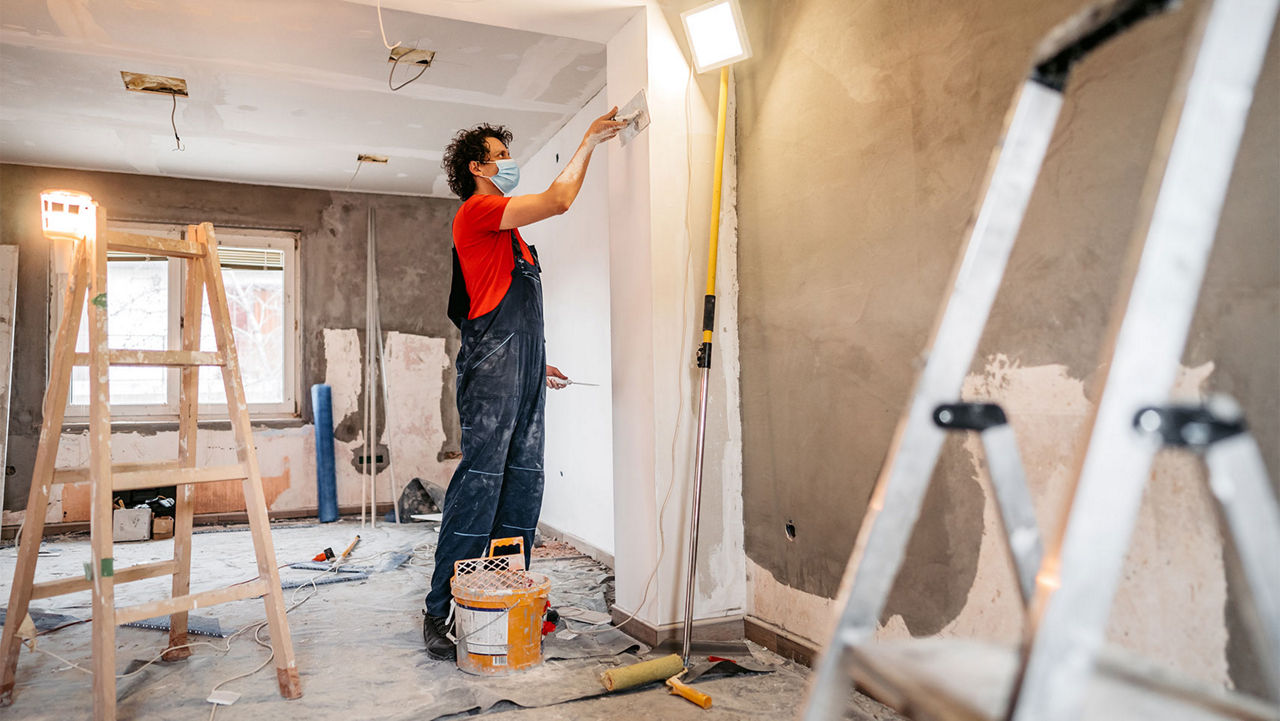
With the core repairs and layout changes complete, you can finally focus on the visible updates that make the house feel new. Cosmetic upgrades not only improve appearance but also boost resale value.
Ideas to consider:
- Flooring: Replacing worn carpet or dated linoleum with hardwood, tile, or modern vinyl plank can completely change the look of a room.
- Paint: Fresh paint brightens spaces instantly. Neutral tones keep things timeless, while accent walls add character.
- Lighting: Swapping out old fixtures for recessed lighting, pendants, or modern chandeliers can make rooms look larger and more inviting.
- Kitchens: Updating cabinets, countertops, and backsplashes makes a huge impact. Even small changes, like new hardware, go a long way.
- Bathrooms: New tile, fixtures, and vanities turn dated bathrooms into fresh, modern spaces.
- Curb appeal: Do not forget the outside. Landscaping, siding repair, and a new front door give the home a welcoming feel.
Cosmetic upgrades are the most exciting stage because they showcase your personal style and bring all the behind-the-scenes work to life.
Step 6: Budgeting and Timeline Tips
Renovating a 50-year-old home can be unpredictable, so smart budgeting and realistic timelines are essential. Older houses often hide surprises that only appear once walls or floors are opened. Planning for these challenges upfront keeps your project from stalling.
Key tips:
- Set a realistic budget: Break down costs into categories such as structural repairs, system updates, and cosmetic upgrades.
- Expect hidden expenses: Permits, code compliance, and unexpected repairs can quickly add up. Set aside at least 15 to 20 percent of your budget as a contingency fund.
- Know average project costs: Kitchens and bathrooms are usually the most expensive updates, while painting and flooring give high impact for a lower cost.
- Plan your timeline carefully: Older home renovations often take longer than expected, especially if contractors uncover hidden problems.
- Schedule in the right order: Finish messy, disruptive work first (repairs, wiring, plumbing), then move to finishes like paint, flooring, and fixtures.
By setting your budget and timeline with flexibility, you avoid stress and keep the renovation process moving smoothly from start to finish.
Renovating a 50-year-old home may feel overwhelming at first, but breaking the process into clear steps makes it manageable. Start with safety inspections, repair the structure, and update essential systems before moving on to layout changes and cosmetic upgrades. With careful budgeting and patience, your older house can become a safe, efficient, and beautiful home that fits modern living while keeping its original charm.
FAQ
How do I remodel an older home?
Remodeling an older home starts with a professional inspection to uncover safety issues such as outdated wiring, plumbing, or hazardous materials. Once those are addressed, move on to structural repairs, update essential systems, and then focus on cosmetic upgrades.
Where should I start when remodeling a house?
Always begin with safety and structure. Inspections, roof, foundation, and system updates come before paint, flooring, or kitchen remodels. This order prevents you from having to redo work later.
What are the biggest challenges of renovating a 50-year-old home?
Common challenges include hidden water damage, outdated electrical and plumbing systems, lack of insulation, and the presence of lead paint or asbestos. These issues can increase costs and extend timelines.
Is it worth renovating a 50-year-old house?
Yes, as long as the structure is sound. Renovating can add significant value, improve energy efficiency, and make the home better suited for modern living. However, it is important to budget carefully and plan for unexpected repairs.
How much does it cost to renovate a 50-year-old home?
Costs vary depending on size, location, and the extent of work needed. Cosmetic updates can be relatively affordable, while major system overhauls or structural repairs may run into tens of thousands. A contingency fund of 15 to 20% is recommended.