

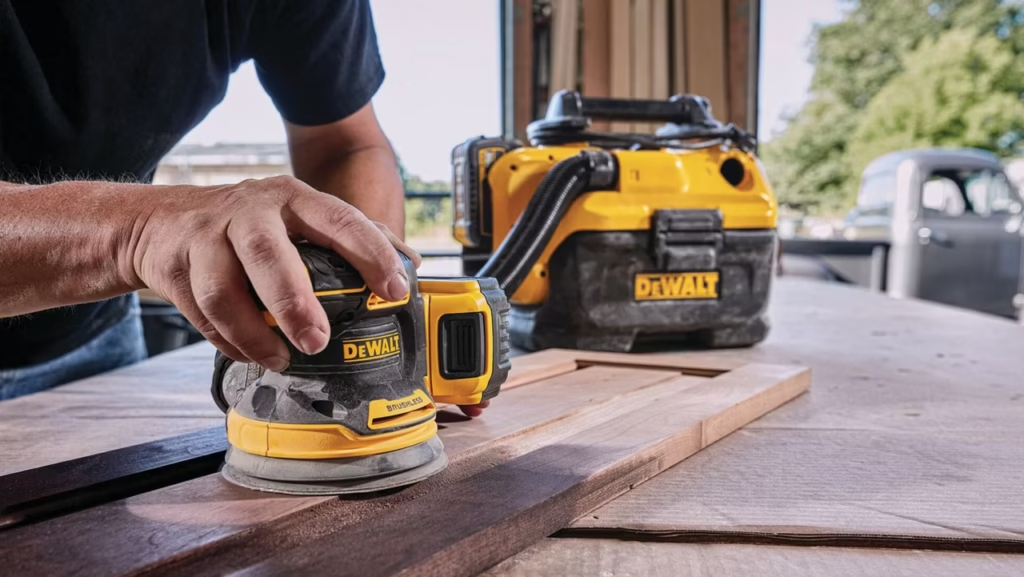
Sanders are used extensively in woodworking, remodeling, paint prep, and refinishing projects. With modern cordless sanders, you can work anywhere without dragging a cord or searching for power. How do you know which sander is right for your project? Below are some of the most common types of sanders and their uses.
Types of Sanders
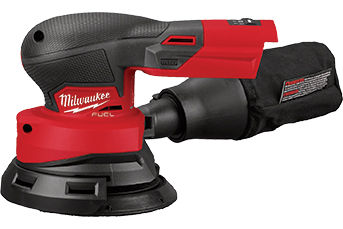
1. Random Orbit Sanders
Random orbit sanders are best for general-purpose sanding and are usually the first sander for a homeowner. The sanders oscillate in a random pattern to avoid leaving markings on the wood and create a smooth finish. These sander types use round hook-and-loop sanding discs. Cordless versions offer maximum control and portability. Random orbit sanders work well on wood, plastic, drywall, and even metal with the right disc.
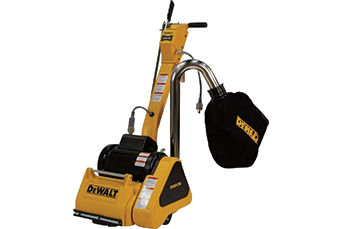
2. Drum Sanders
Drum sanders are extremely heavy-duty and used primarily for hardwood floor refinishing. Drum sanders rest on the floor and are operated with a push handle while a large belt rotates to sand the material below. They are expensive machines and not often practical to own, so many homeowners choose to rent them when needed.

3. Belt Sanders
Belt sanders are great for fast material removal over large areas —leveling boards, removing paint, or sanding floors. Belt sanders use looped sanding belts for powerful sanding over large surfaces. They are ideal for sanding decks, subfloors, outdoor builds, and framing jobs.
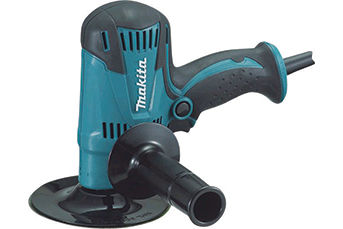
4. Disc Sanders
Disc sanders are smaller tools, great for basic woodworking and smaller projects. Disc sanders help to shape and smooth wood projects by creating beveled edges and smoothing end grain made rough by cutting. They are offered in benchtop and handheld models.
5. Finish Sanders and Detail Sanders
Different types of sanders can be used for finish and detail work.
Finish sanders, often called sheet sanders, excel at fine sanding and smooth finishes across wide and flat areas. They use square or rectangular sanding sheets—great for paint prep or final sanding. Cordless models are lightweight, easy to control, and make quick touch-ups easier. They are ideal for cabinetry, doors, walls, and trim work.
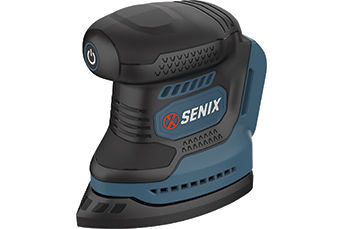
Detail sanders, which are sometimes referred to as mouse sanders, are handheld and designed with a pointed tip to reach tight corners, edges, and detailed trim. The cordless versions available are lightweight and maneuverable—perfect for refinishing furniture or working in confined areas. Detail sanders are a great companion to larger sanders when accuracy is key.
Cordless Sander Accessories to Keep Nearby
Do it Best carries sanding accessories for all different kinds of sanders. Below is a list of common items you may want to keep on hand or replace as needed:
- Extra sanding discs, wheels, sheets, or belts in various grit levels.
- Dust bags or shop vacs to keep the area clean.
- Backup batteries and chargers for consistent and extended use.
- Work gloves, safety glasses, and dust masks for safety.
How to Choose the Right Cordless Sander
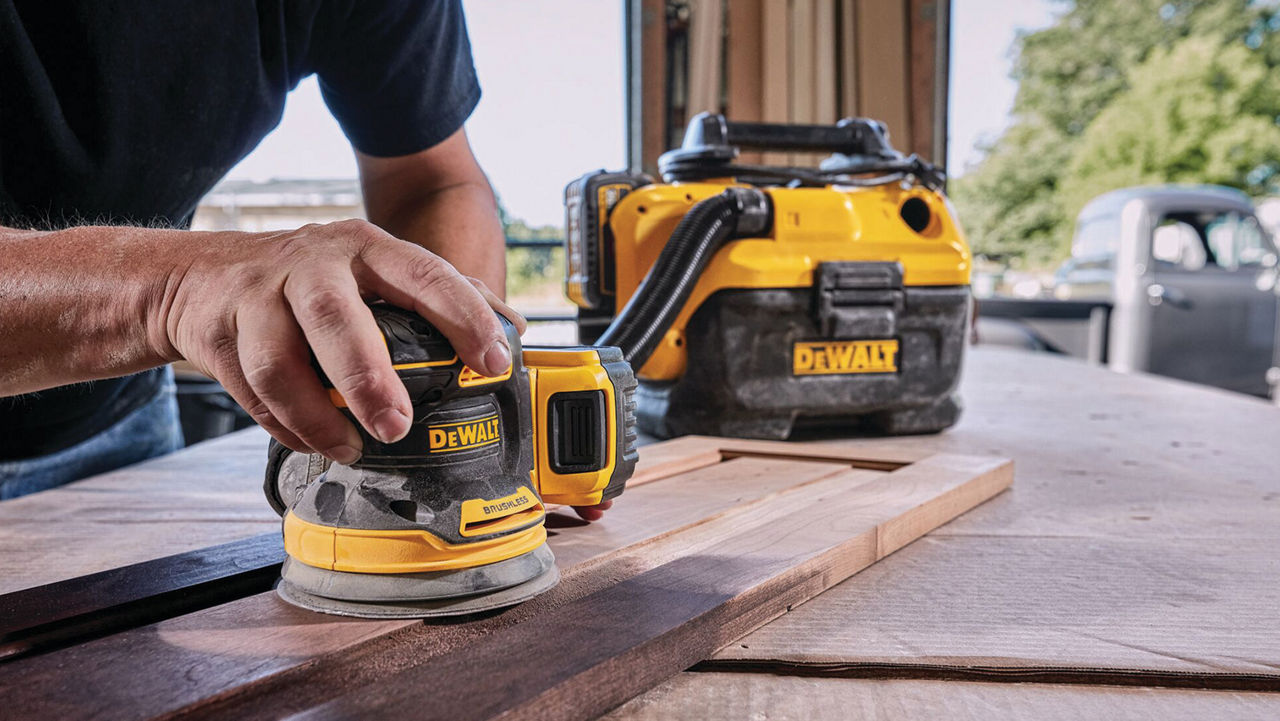
- Surface Type – Is the area large and flat? Go with a finish or belt sander. Will you have to handle tight corners? Use a detail sander.
- Material Type – Are you working with wood, drywall, metal, or trim? Match the sander and grit to the material.
- Power Needs – Bigger jobs may need higher-voltage tools or backup batteries.
- Dust Collection – Look for models with dust bags or vacuum adapters to stay clean.
- Battery Compatibility – Stick with your existing tool platform— Do it Best has high-quality sanders from trusted brands like DeWalt, Milwaukee, and more.
The right cordless sander makes your work cleaner, faster, and more flexible. Whether you’re doing trim, furniture, decks, or drywall, there’s a tool for the job.
Browse our full selection of cordless sanders.